
Connecting Yarn Crochet
Connecting Yarn Crochet - If you’re working on a larger project, say a blanket, an article of clothing, or a big, warm scarf, you’re going to need more than one ball of yarn to complete the project. Fold the tip of the old yarn over the new yarn between the pieces of yarn. You don’t need a yarn needle to join yarn in crochet either! Web as a beginner joining yarn in crochet is something you must know because it allows you to join yarn when you come to the end of a ball. In this video, i want to share with you how to join yarn of same color. Single crochet stitch used to join crochet pieces together. Web in this post i’m going to share four ways to join yarn in crochet when working on a project! Join yarn with a slip stitch. Joining with a slip stitch is likely the first way most crocheters learn how to join yarn in crochet. Yarn over, insert hook into stitch, yarn over, pull up a loop, yarn over, pull through 2 loops, stop. However, this tutorial concentrates on joining the new yarn strand directly into your project securely. Then, hold up your new yarn (shown in yellow) so that the new yarn extends. Web this method of joining yarns is especially useful for scrappy projects where you don’t mind exactly where the color change occurs and want to use up (nearly!) every inch of your yarn. Web learn how to join yarn together without ending up with any ends to weave in with this video crochet tutorial, courtesy of chris hammond of allfreecrochet. Web when joining in new yarn or changing color, continue in the working yarn until two loops of the last stitch remain in the. However, none of them felt secure enough. It’s a simple process that ensures your work looks neat and seamless. Fold the tip of the new yarn under the old yarn between the pieces of yarn. Web over the years of crocheting i have come across many methods on how to securely join new yarn in crochet. Web in this post i’m going to share four ways to join yarn in crochet when working on a project! Web as a beginner joining yarn in crochet is something you must know because it allows you to join yarn when you come to the end of a ball. In this article, we’ll explore various methods of joining yarn in crochet, such as the russian join, the magic knot, and the invisible join. Fold the tip of the new yarn. However, this tutorial concentrates on joining the new yarn strand directly into your project securely. Pass old yarn under new yarn and cross over. In this video, i want to share with you how to join yarn of same color. With single crochet seam you have two options. The seam sits on top of the edge and creates another dimension. However, this tutorial concentrates on joining the new yarn strand directly into your project securely. There are many methods of joining two yarn strands together. Web this method of joining yarns is especially useful for scrappy projects where you don’t mind exactly where the color change occurs and want to use up (nearly!) every inch of your yarn. No need. Place both strands of yarn parallel to each other with the old yarn on top and the new yarn beneath. First, i’ll show you in photos… then i have a video for you! In this video, i want to share with you how to join yarn of same color. This technique allows you to seamlessly continue your project without any. No need to use a needle to weave in yarn ends. Web learn how to join yarn and change colours in crochet with our easy tutorial and tips. Web how to join yarn in crochet photo credit: First, i’ll show you in photos… then i have a video for you! Discover how to join yarn and change colours in crochet. Web how to join yarn in crochet photo credit: Step 1 yarn over with the new color or yarn and pull the new color or yarn through the last two loops of the old color to complete the stitch. In this video, i want to share with you how to join yarn of same color. Single crochet seam creates bigger. Tug it to make it tight. This technique allows you to seamlessly continue your project without any noticeable breaks or knots. This involves tying a knot between the old and new yarn, then weaving in the ends to. Web joining yarn in crochet is an essential skill to know, especially when you're running out of yarn or switching to a. However, this tutorial concentrates on joining the new yarn strand directly into your project securely. Fold the yarn back over the new yarn and make a knot. Single crochet seam creates bigger edge than slip stitch. Then, hold up your new yarn (shown in yellow) so that the new yarn extends. Yarn over, insert hook into stitch, yarn over, pull. Then, hold up your new yarn (shown in yellow) so that the new yarn extends. Insert hook into stitch, yarn over, pull up a loop, stop. Below the grey yarn is slip stitched to the turning chain. One popular method for joining yarn is the magic knot. Skip to content jul 8, 2024, 11:30 am download patterns, support warm up. First, i’ll show you in photos… then i have a video for you! If you’re working on a larger project, say a blanket, an article of clothing, or a big, warm scarf, you’re going to need more than one ball of yarn to complete the project. You don’t need a yarn needle to join yarn in crochet either! This technique. Fold the yarn back over the new yarn and make a knot. First, crochet until you have about 3″ remaining in your current yarn (shown here in brown): It’s a simple process that ensures your work looks neat and seamless. Web over the years of crocheting i have come across many methods on how to securely join new yarn in crochet. One popular method for joining yarn is the magic knot. First, i’ll show you in photos… then i have a video for you! Each method has its advantages and is suitable for. How to crochet yarns together. Then, hold up your new yarn (shown in yellow) so that the new yarn extends. In this video, i want to share with you how to join yarn of same color. Single crochet stitch used to join crochet pieces together. Web when joining in new yarn or changing color, continue in the working yarn until two loops of the last stitch remain in the. You don’t need a yarn needle to join yarn in crochet either! Pass old yarn under new yarn and cross over. Web the existing yarn is shown with purple, and the new yarn is show with pink. Web this method of joining yarns is especially useful for scrappy projects where you don’t mind exactly where the color change occurs and want to use up (nearly!) every inch of your yarn.
Connecting New Yarn Crochet Tutorials YouTube

3 Ways to Join Yarn Crystals & Crochet Magic knot, Joining yarn

How to Join Yarn with the Magic Knot • Free Tutorial by

Top 20+ How To Connect Yarn When Crocheting
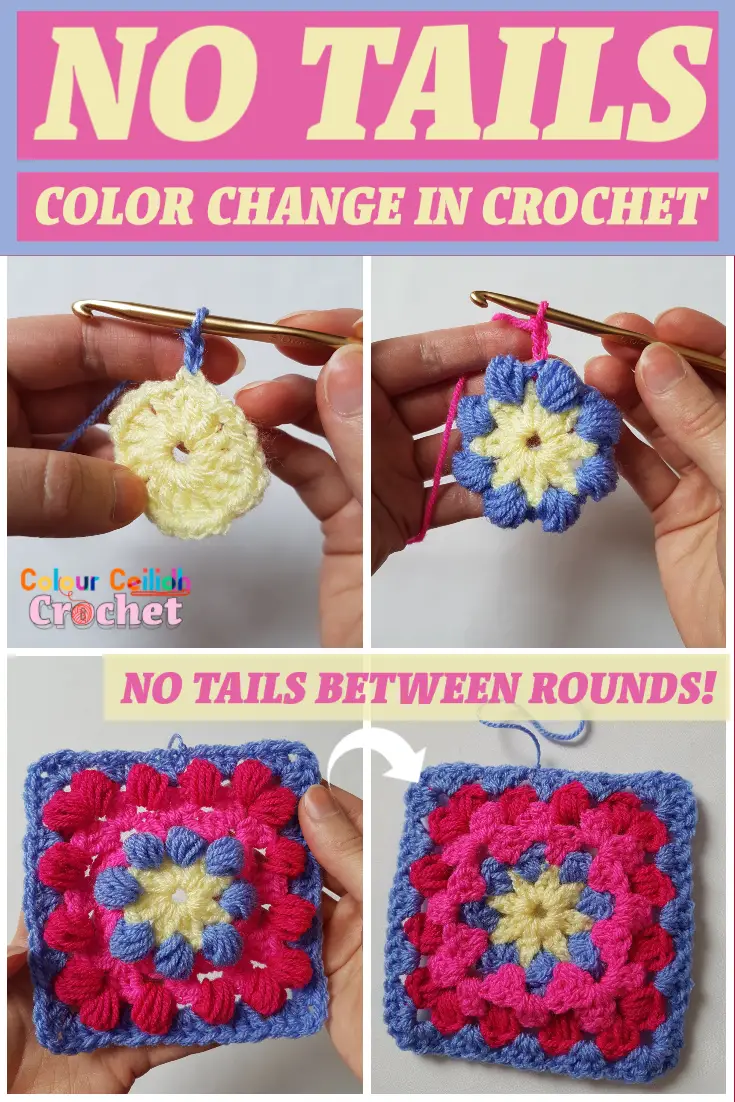
Top 20+ How To Connect Yarn When Crocheting

Learn how to use the Single Crochet Stitch Joining Method • Free
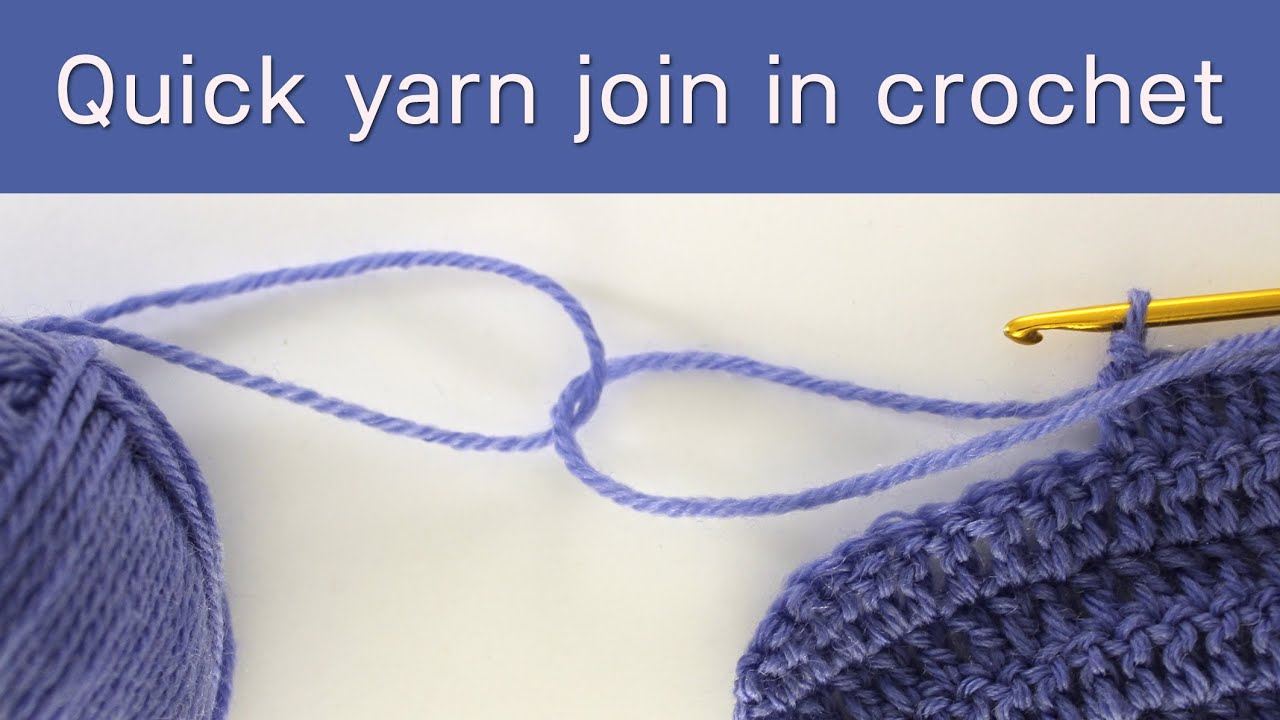
Quick way to join new yarn in crochet YouTube

How to Join Yarn for Scrap Projects Simply Notable Magic knot

How to Crochet With Two Strands of Yarn Held Together YouTube

Using a slip stitch is a very easy way to join new yarn to your crochet
Step 1 Yarn Over With The New Color Or Yarn And Pull The New Color Or Yarn Through The Last Two Loops Of The Old Color To Complete The Stitch.
Join Yarn With A Slip Stitch.
Web Learn How To Join Yarn And Change Colours In Crochet With Our Easy Tutorial And Tips.
Web How To Join Yarn In Crochet Photo Credit:
Related Post: